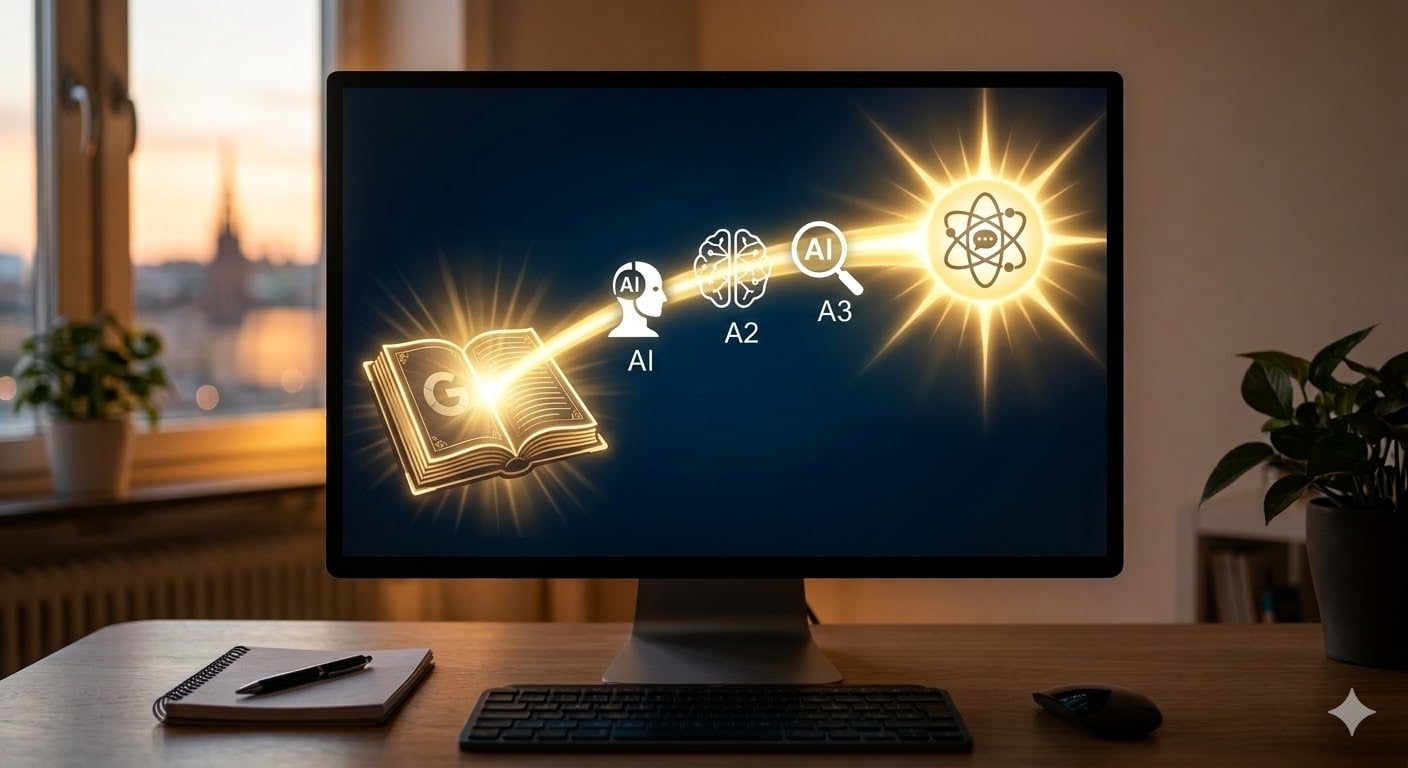
Industry insights from 2025 and early 2026 indicate that traditional SEO is not being pushed aside; instead, it is emerging as the primary data source for AI models. Recent studies from Ahrefs, Semrush, and BrightEdge highlight a strong connection between achieving a top-10 organic ranking and becoming the preferred source for AI-generated responses.
Key Research Findings & Statistics
1. The High Correlation Between Rankings and Citations
A close examination of millions of search queries shows that AI systems like Google AI Overviews and Perplexity tend to rely heavily on the leading sources in the current search landscape.
- The Top 10 Dominance: A 2026 seoClarity study found that 99.5% of AI Overview sources are pulled from websites that already rank in the top 10 organic results for that query.
- The Overlap Factor: Research by BrightEdge (October 2025) shows that 54.5% of citations in AI Overviews now match top organic URLs, a significant increase from 32% in 2024. In high-stakes "YMYL" (Your Money, Your Life) sectors like Healthcare, this overlap jumps to over 75%.
- Perplexity vs. ChatGPT: A Semrush/SE Ranking study noted that Perplexity has a high correlation with Google, citing top-10 rankings 91% of the time, whereas ChatGPT only overlaps with traditional top-10 results about 14% of the time, often preferring fresher or more conversational sources.
2. Only a Few Sources Get the Spotlight
The concentration of visibility is tightening. While a search page has ten links, an AI summary usually highlights a smaller "aristocracy" of sources.
- Dominant Domains: According to The Digital Bloom (2025), just five domains—Wikipedia, YouTube, Reddit, Google Properties, and Amazon—account for 38% of all AI citations.
- The Citation Bonus: While AI Overviews have caused a 58% drop in CTR for the top organic spot (Ahrefs, 2026), being the cited source within that AI box can increase your organic CTR by 35% compared to non-cited brands on the same page (Seer Interactive/Dataslayer, 2025).
3. The Cost of Poorly Structured Content
AI retrieval systems prioritize "machine-readable" authority. If a bot can't parse your data in milliseconds, it won't cite you.
- The Intro Advantage: Data from Growth Memo (2026) shows that 44.2% of all LLM citations are pulled from the first 30% of the text. Front-loading your answers is now a technical requirement.
- Word Count Myths: An Ahrefs/SE Ranking analysis found near-zero correlation between word length and being cited. In fact, 53.4% of cited pages are under 1,000 words, debunking the idea that "long-form is always better" for AI.
- Freshness Bias: 85% of AI citations were published within the last two years, with 44% specifically from 2025 (Seer Interactive).
4. Industry-Specific AI Saturation
Not all niches are being impacted at the same rate. Your SEO strategy depends heavily on your category's "AIO density."
From Ranking to Being Cited
In 2026, SEO is no longer just about showing up in search results — it’s about getting referenced by AI systems.
To succeed, you need to optimize for retrieval-based AI models (RAG systems) that pull content from trusted sources.
Traditional SEO:
Aim to rank in the top results so your page is included in the AI’s initial set of sources.
Authority & Trust (E-E-A-T):
Build clear expertise and credibility so AI systems are more likely to select your content over competitors.
AI-Focused Optimization (AI SEO):
Use clear headings, structured sections, and FAQ markup so AI tools can easily extract and summarize your key information.
In short, visibility now means not just ranking — but being chosen and cited in AI-generated answers.
Bottom Line
Across multiple independent research reports and platform data analyses, strong Google rankings consistently correlate with increased visibility inside AI search tools.
Rather than replacing search optimization, AI systems appear to reinforce ranking power — especially for authoritative content occupying top positions.
For businesses and publishers, the strategic priority remains clear: optimize for search visibility today to increase citation probability in AI-driven discovery environments tomorrow.