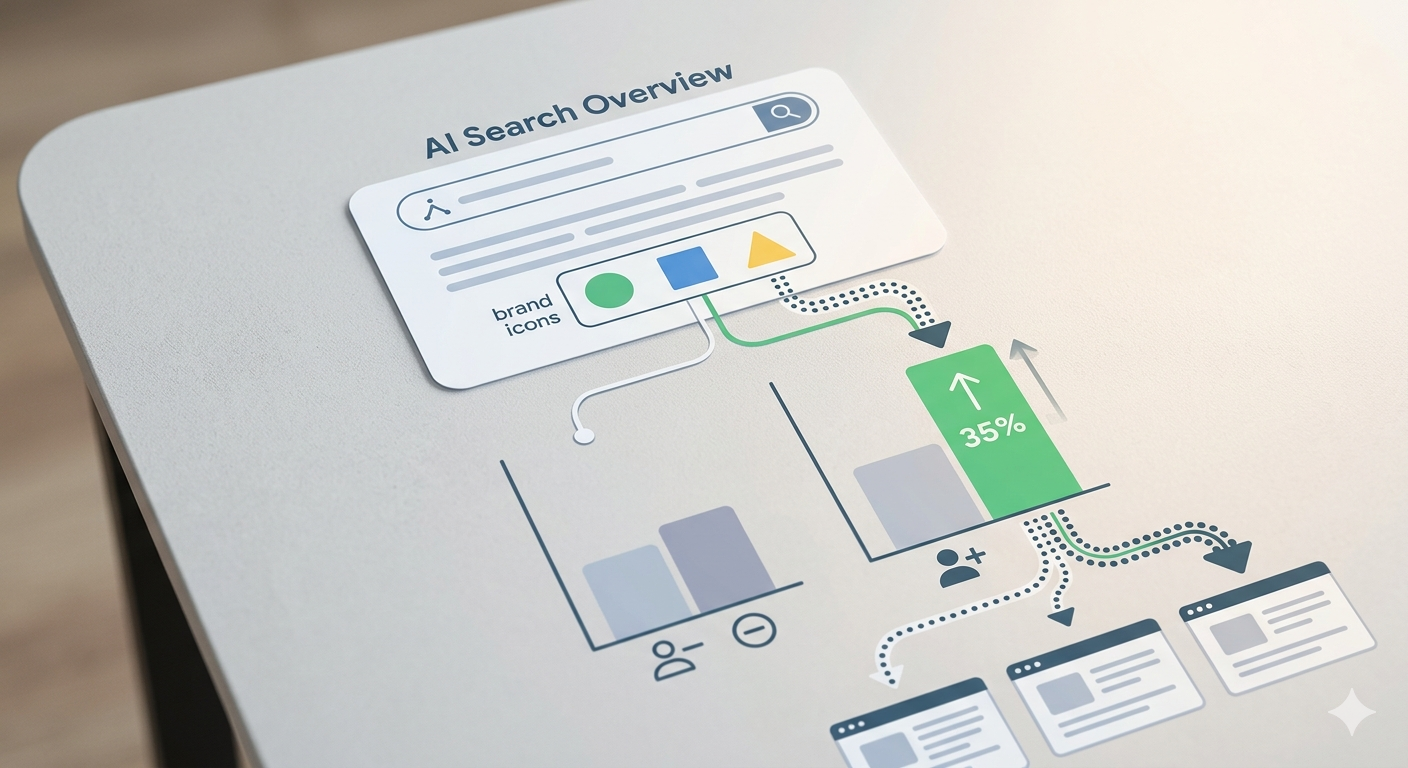
Remember when landing a spot on page one of Google was the main goal? Those days are pretty much gone.
More and more, people skip the standard search bar entirely. They head straight to ChatGPT, Perplexity, Gemini, Claude, or Google AI Overviews to compare options, get straight answers, and pick products.
That means just ranking near the top of Google isn’t enough—you need your brand to show up inside those generated answers. That’s where Generative Engine Optimization (GEO) comes in.
Classic SEO is all about chasing clicks from a list of blue links. GEO works differently: it’s about making your content clear, trustworthy, and easy for AI models to quote. To see if your content is actually making the cut, marketers use AI visibility tools. These platforms tell you how often you’re mentioned, where the bots get their facts, and how you stack up against competitors.
If you’re ready to adjust your approach, here are five great tools to check out.
5. PromptsWatch
If you’re brand-new to tracking how AI models view your company, PromptsWatch keeps things dead simple. It doesn’t overwhelm you with complicated charts right out of the box—it just answers one fundamental question: What comes up when people ask AI about your industry?
You can plug in specific questions, see how answers shift, and check if your business pops up across different chatbots. It gives you a quick, budget-friendly look at where your brand stands without forcing you to commit to a big contract right away.
No steep learning curve: You won’t spend half your day trying to navigate the menus.
Test real scenarios: Type in the actual questions your prospective buyers use to see who gets mentioned first.
Low investment: A very cheap way to get your feet wet.
Who it helps most: Startups, solo marketers, and small agencies taking their very first stab at AI optimization.
4. Peec AI
When basic prompt testing stops giving you enough depth, Peec AI steps up with actual strategic data.
It was built specifically to track AI presence across ChatGPT, Perplexity, Gemini, Claude, and Google AI Overviews. It skips the simple “did you get mentioned?” checkmark and instead plots your visibility trends over time while showing you exactly where you fall compared to your main competitors.
Broad platform coverage: Keeps tabs on all the heavy-hitter chatbots in one spot.
Rival tracking: Shows you who is taking up the most space in your niche.
Track long-term impact: See whether rewriting your content or updating pages actually boosts your visibility weeks down the line.
Who it helps most: Mid-sized companies, expanding SaaS brands, and digital agencies that want focused, reliable GEO numbers without paying for bloated software they’ll never fully use.
3. Semrush AI Toolkit
If your team already uses Semrush every day, using their AI Toolkit is a logical shortcut.
The biggest perk here is convenience. Instead of treating AI search like some totally separate universe, Semrush just slots AI tracking right into the search routines your team is already running every single day. Out of one dashboard, you can dig up keyword ideas, refine your copy, check rankings, and keep tabs on where AI platforms cite your brand.
Fewer software bills: Keeps your entire workflow under one roof so you aren’t stuck paying for yet another standalone app.
Ties back to traditional search: Lets you look at classic search data right alongside your emerging AI presence.
Uncovers the sources: Shows you the exact site pages models scrape when talking about your company.
Who it helps most: In-house marketing teams and agencies that want a single toolkit rather than sending clients messy reports from three different apps.
2. Ahrefs Brand Radar
Ahrefs built its name on rock-solid backlink and search data, and Brand Radar brings that same level of detail to generative search.
What makes it stand out isn’t just telling you that a bot mentioned your company—it shows you why. The software digs into the background sources, pulling up the exact articles, forum threads, review sites, and databases the AI scraped to build its response.
Shows where the facts come from: Highlights the specific sites and forums the chatbot reads before answering.
Pairs with backlink data: Shows how your incoming links directly influence whether an AI quotes you.
Exposes competitor shortcuts: Shows you the exact third-party sites and articles your rivals rely on to land inside AI recommendations.
Who it helps most: SEO pros, content strategists, and digital PR leads who need heavy, source-level data to plan their campaigns.
1. Profound
If AI discovery actively drives revenue for your business rather than just being an experiment, Profound is arguably the top platform on the market.
Built specifically for monitoring generative search at scale, Profound tracks your brand across ChatGPT, Google AI Overviews, Perplexity, Copilot, and more. Where it really sets itself apart is the sheer depth of its reporting—calculating market share, spotting subtle sentiment trends, and tracing complex search journeys across massive product catalogs.
True Share of Voice: Serious, high-level metrics on how much space you own in your market.
Tracks actual perception: Focuses on the vibes and context behind each mention, not just the raw numbers..
Follows real conversations: Tracks multi-turn questions to show you how people actually chat with AI, making it easy to spot where your content falls short.
Who it helps most: Large organizations, global brands, and fast-scaling companies making GEO a core driver of their growth strategy.
Final Comparison
Tool
Best For
Strength
Potential Drawback
Profound
Enterprises
Comprehensive AI visibility and competitor intelligence
Premium pricing
Ahrefs Brand Radar
SEO professionals
Massive AI prompt database and citation tracking
Best value within Ahrefs ecosystem
Semrush AI Toolkit
Existing Semrush users
Unified SEO and AI visibility platform
Less specialized than dedicated GEO tools
Peec AI
Mid-market businesses
User-friendly interface and affordable pricing
Fewer enterprise features
Scrunch AI
Strategy-focused organizations
AI optimization recommendations and persona analysis
Higher cost for smaller teams
Final Thoughts
Searching the web isn’t what it used to be. As buyers lean on conversational bots to make decisions, understanding how these models read, summarize, and pitch your brand is quickly becoming just as vital as tracking your traditional organic keywords.
You don’t have to guess what AI engines are saying behind your back anymore. Pick a tool that matches your current budget and team size, get a handle on your footprint, and start building your presence before your competitors take over the space.
Bern Perez is a Consultant at PragoMedia, who loves to write about emerging SEO trends, innovative marketing strategies, and the evolving landscape of technology.